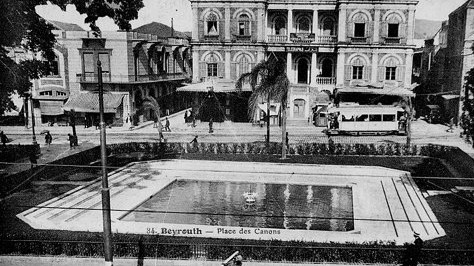
1916
Ottoman-European Monetary Administration
During the Ottoman period (until 1918), monetary activity was managed through the Imperial Ottoman Bank under European, primarily French, administration.

1916–1926
During the Ottoman period (until 1918), monetary activity was managed through the Imperial Ottoman Bank under European, primarily French, administration.
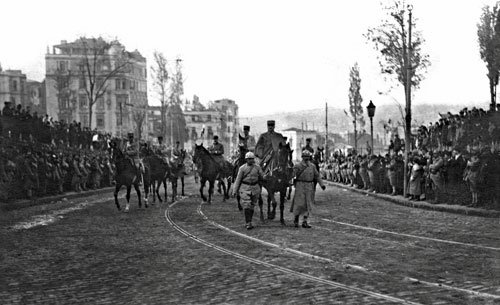
Allied forces led by General Allenby entered the region, beginning the replacement of the Ottoman monetary system with the Egyptian pound linked to sterling.
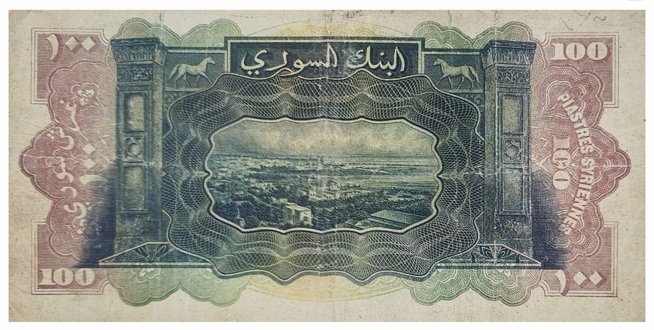
The French Mandate began and Banque de Syrie was established to manage currency issuance in areas under French influence.
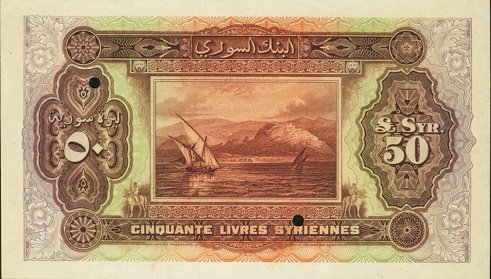
The Egyptian pound was withdrawn from circulation and the Syrian lira, linked to the French franc, was created.
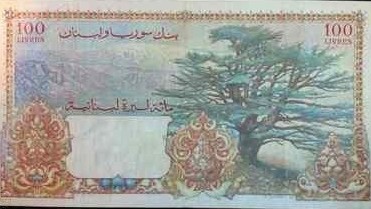
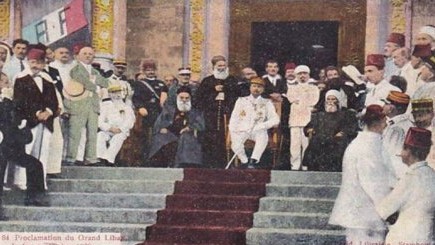
The Lebanese-Syrian lira emerged after the proclamation of Greater Lebanon, creating a unified monetary system for Lebanon and Syria managed by Banque de Syrie et du Grand-Liban.
The Lebanese Republic was proclaimed, and Beirut began developing into an emerging financial and political center.
1948–1964
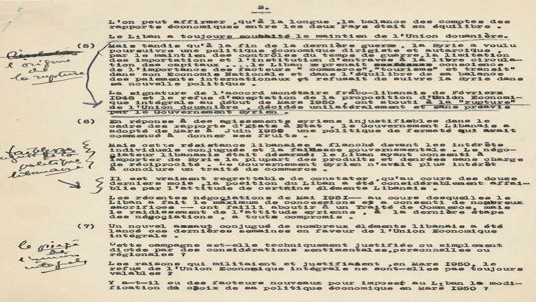
The Lebanese lira was fully separated from the Syrian lira and adopted as an independent national currency.
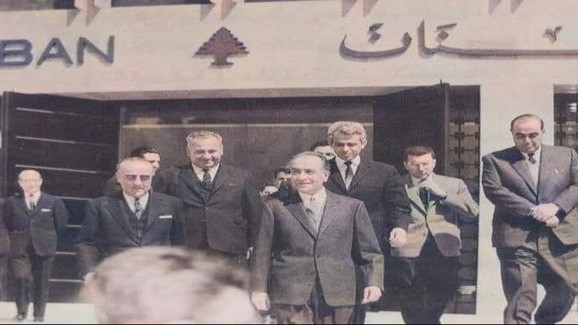
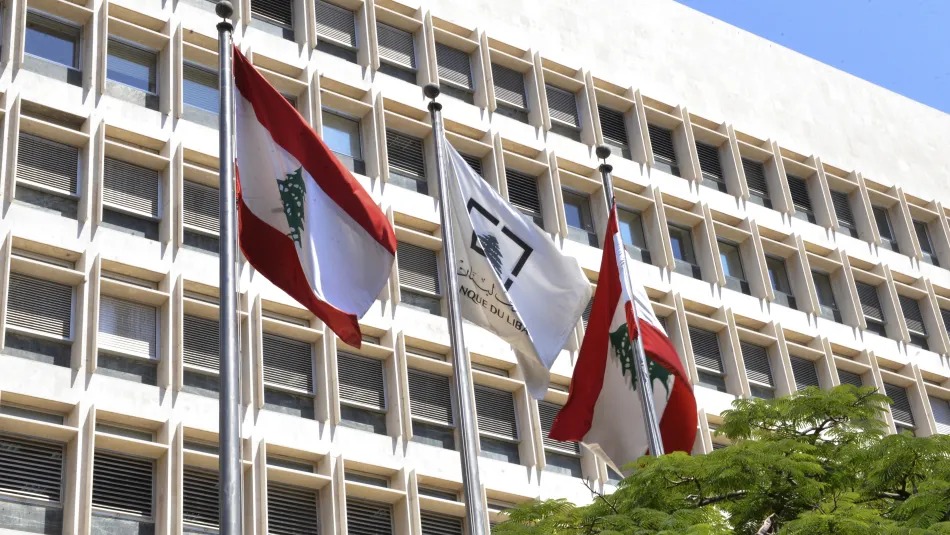
Banque du Liban was formally established as the central bank of the Lebanese Republic.
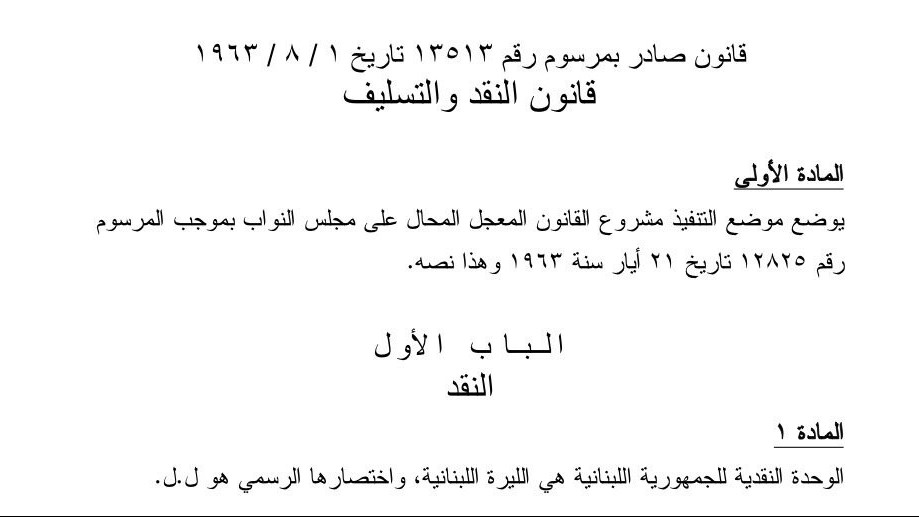
Banque du Liban began operations and assumed responsibility for currency issuance and monetary policy.
1990–1997
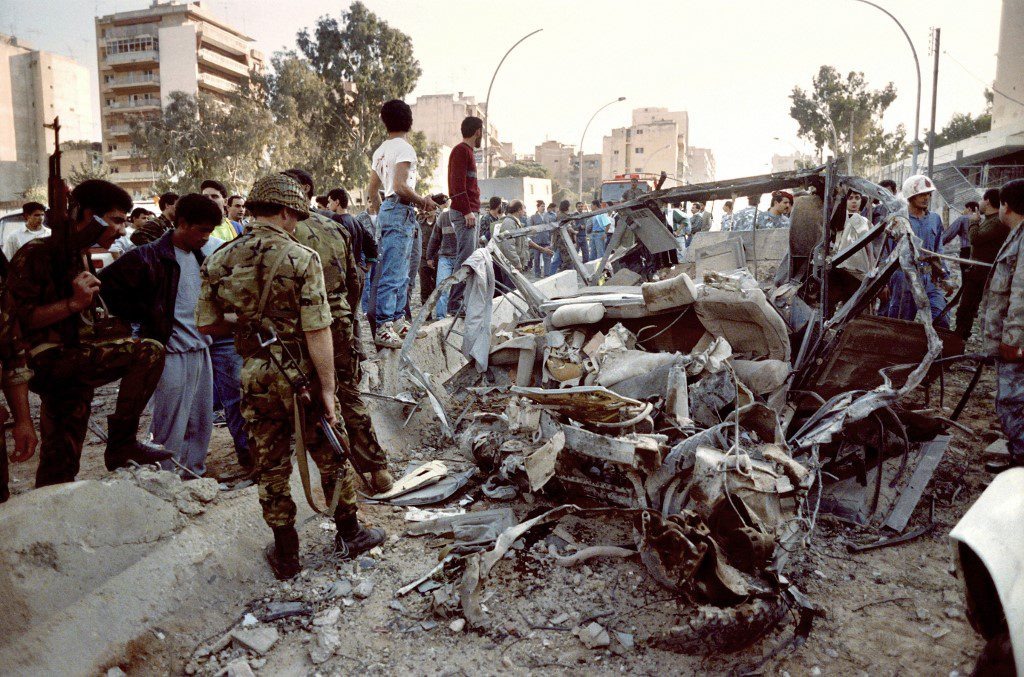
The end of armed conflict and the start of state rebuilding — but with weak institutions and an exhausted economy.
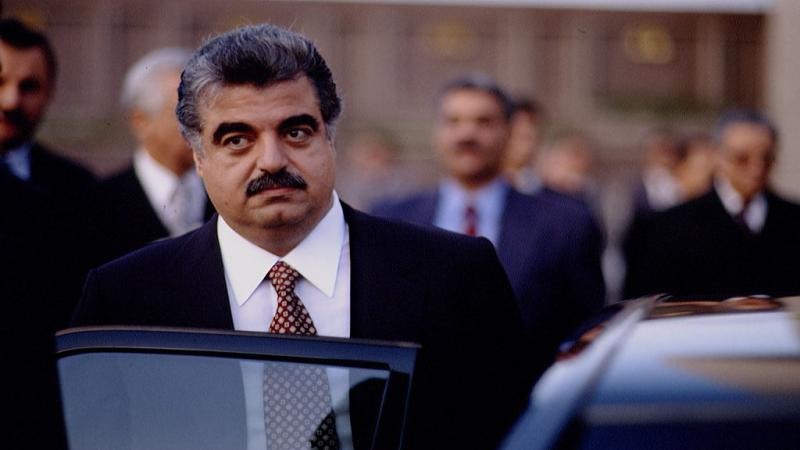
Launch of an economic model built on reconstruction, capital inflows, and reliance on services (banks, tourism).
1997–2005
A long stretch of monetary stability — built on attracting dollars at high interest rates, which steadily inflated public debt.
2005–2011

A major political shock that triggered internal division, capital flight, and a sharp drop in confidence.
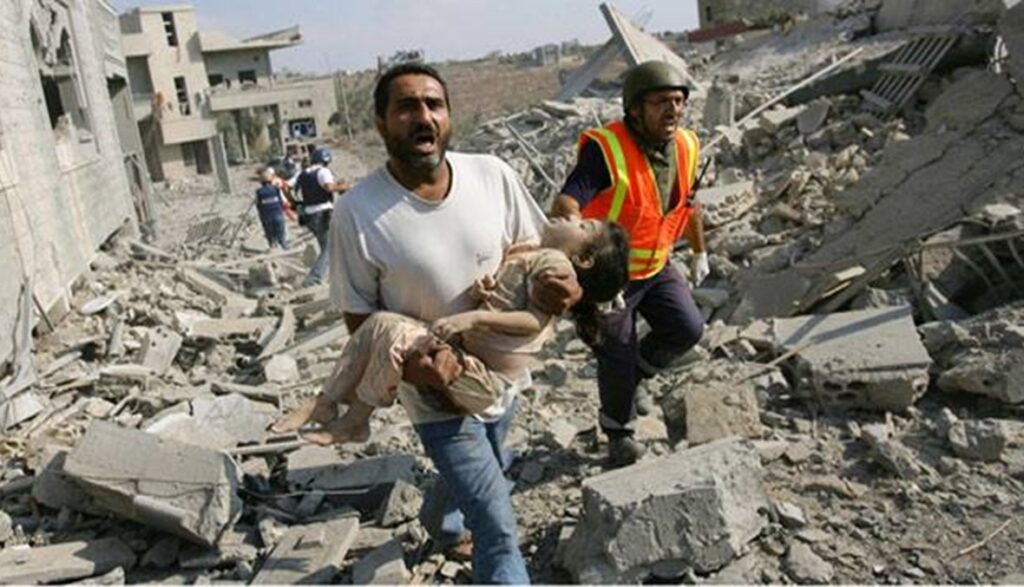
Damage to infrastructure and a sharp downturn in economic activity, especially tourism.
2011–2016
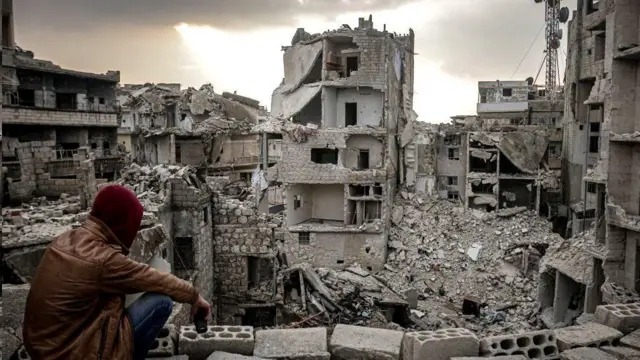
Economic pressure from displacement, falling exports, and shrinking tourism — widening the deficit.
2016–2019
2019–2020

An eruption of public anger over corruption and crisis — and the start of lost trust in the banks and the financial system.
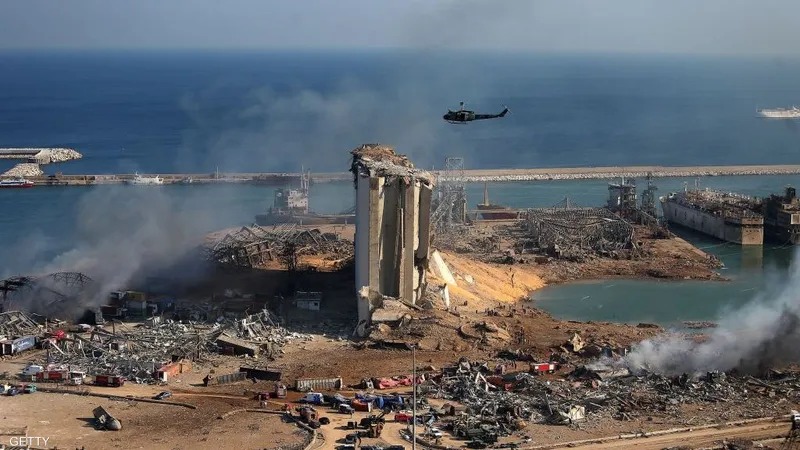
A double blow: massive economic destruction and the collapse of international confidence, with huge losses across the banking sector.
2020–2026
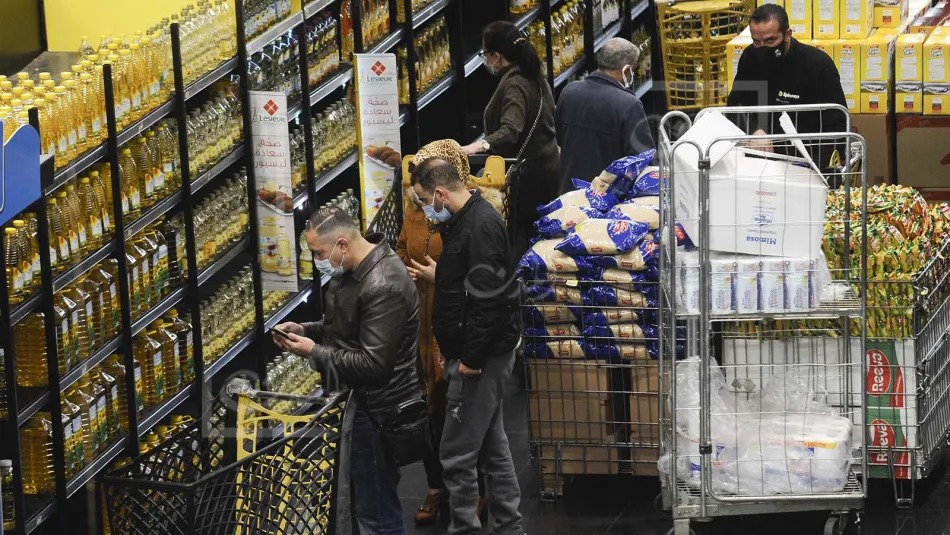
Sharp price rises (inflation) and acute living-cost crises in fuel, medicine, and electricity.
Different dollar rates emerged (official, platform, black market), causing economic chaos and price distortion.
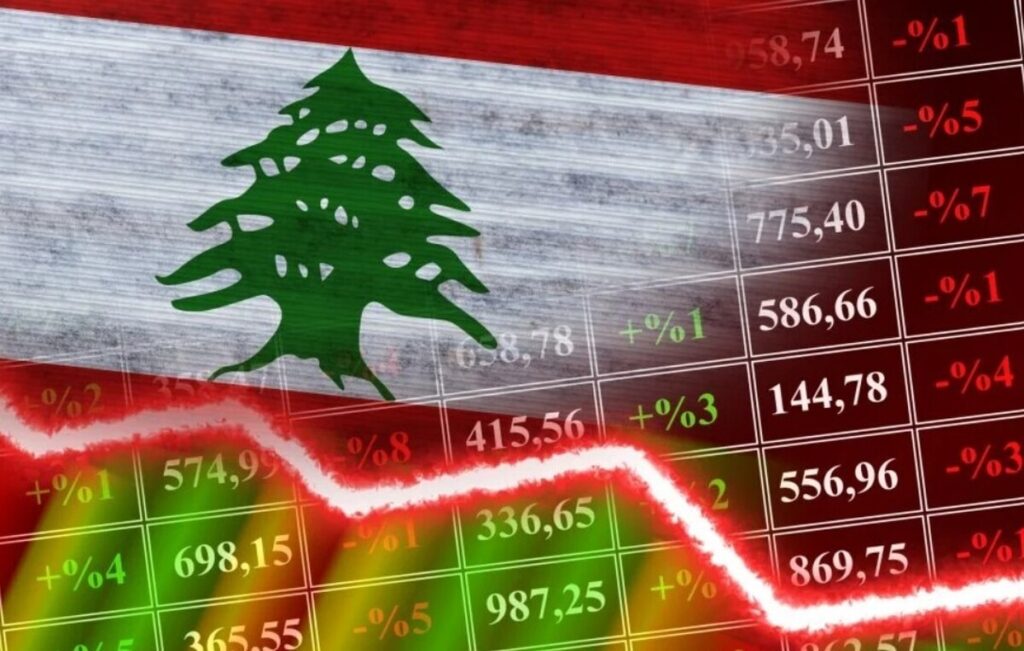
Absence of reforms and continued loss of trust, with the informal economy expanding.
Most transactions moved to dollars; the lira's role as a usable currency declined sharply.
The role of banks in lending and the broader economy weakened, with people leaning more on direct cash.
Widespread reliance on cash payments outside the banking system, with the absence of full financial stability.