
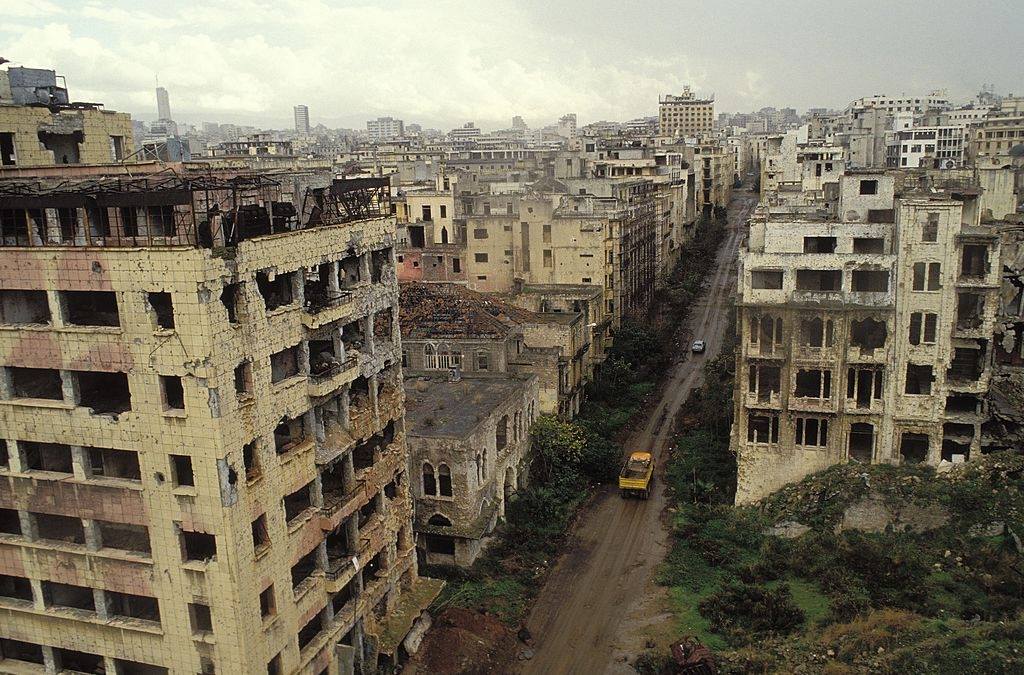
After the end of the Lebanese Civil War, Lebanon entered a phase of reconstruction led by Rafic Hariri, with an effort to build a modern economy. During this period, the Lebanese pound was pegged to the US dollar, creating an appearance of stability. In reality, however, the economy relied heavily on debt and inflows of foreign currency.
In 2005, Hariri's assassination marked a major turning point. Confidence declined, and Syrian forces withdrew from Lebanon. Despite these changes, the monetary system continued along the same path, relying on the fixed exchange rate.
Between 2011 and 2018, Lebanon was affected by the spillover from the Syrian war. Investments declined and public debt increased. Banque du Liban resorted to complex financial policies to maintain stability, but that stability was fragile.
In 2019, with the outbreak of the 2019 Lebanese protests, the real crisis began. People lost trust in the banking system, and the Lebanese pound started to rapidly depreciate.
In 2020, the government defaulted on its debt, followed by the Beirut Port Explosion, which worsened the situation and deepened the economic collapse.
During 2021 and 2022, Lebanon experienced high inflation and multiple exchange rates, leading to a near breakdown of the monetary system.
From 2023 to 2026, a new economic reality took hold: a dollarized, cash-based economy, with the Lebanese pound losing its role as a store of value.
In conclusion, the collapse of the Lebanese pound was not sudden, but rather the result of years of unsustainable policies that masked the fragility of the economy until the moment it finally unraveled.
All articles